Avoid hidden garden maintenance costs in Barking and Dagenham

Garden maintenance should feel straightforward. A tidy lawn, trimmed hedges, clear borders, and a garden that does not quietly turn into a weekend project you never signed up for. Yet hidden costs creep in all the time. One quote looks fine, then the extras start appearing: waste removal, access issues, overgrown sections, repeat visits, specialist equipment, disposal fees. Before you know it, the bill has drifted away from the number you thought you agreed.
If you want to Avoid hidden garden maintenance costs in Barking and Dagenham, the key is not just shopping for the cheapest price. It is understanding what is included, what is not, and how local gardens in east London can throw up unexpected work. This guide walks you through the practical side of it, from reading quotes properly to spotting the cost drivers most people miss the first time around.
Key takeaway: the cheapest quote is only cheap if it covers the work you actually need. A clear scope, a written breakdown, and honest site checks usually save more money than a bargain headline ever will.
Why Avoid hidden garden maintenance costs in Barking and Dagenham Matters
Garden costs are easy to underestimate because the work can look simple from the patio door. A lawn needs mowing. A hedge needs shaping. A few borders need clearing. Then the team arrives, lifts a layer of matted grass, finds a patch of bramble, discovers garden waste from last season, and suddenly the job has changed. Not wildly. But enough to change the price.
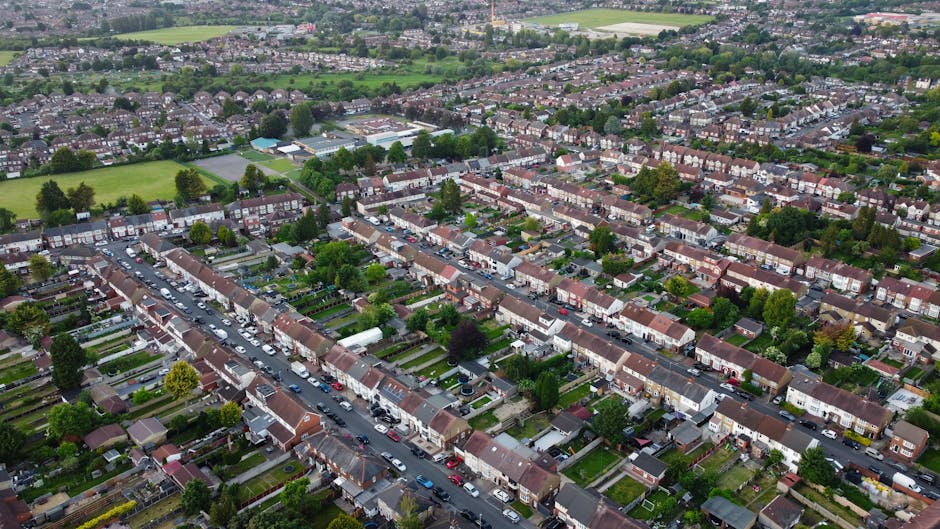
In Barking and Dagenham, that matters for a few practical reasons. Gardens are often compact, shared, or awkwardly accessed. Some have side gates that are narrow, some have rear access only, and some have a mix of paving, tired turf, old timber, and problem shrubs all in one space. That sort of setup can be perfectly manageable, but it needs to be priced honestly. If not, the customer ends up paying for assumptions made before anyone has really looked properly.
It also matters because maintenance is usually recurring. One poor quote is annoying. A poorly structured maintenance plan is expensive. If the schedule is too vague, jobs get split, revisited, or reclassified. That is where the real hidden spending starts. Truth be told, most people do not mind paying for proper work. They mind paying twice for the same thing.
There is also a trust angle. A clear, well-explained quote tells you a lot about how a provider works. If the pricing is messy, the service may be messy too. On the other hand, transparent quotes usually mean better planning, less waste, and fewer awkward surprises when the invoice lands.
For a broader view of what a structured service should cover, it helps to look at a proper services overview and compare it with the specific tasks your garden actually needs.
How Avoid hidden garden maintenance costs in Barking and Dagenham Works
At its core, avoiding hidden costs is about narrowing the gap between the quote and the real job. That means identifying the variables before work starts. The usual ones are easy enough to spot once you know what to look for.
1. Scope of work
This is the biggest one. Are you paying for mowing only, or mowing plus edging, strimming, and clippings removal? Is hedge trimming included to a neat finish, or just a basic cut-back? Does garden maintenance mean a one-off tidy, or regular upkeep across the season? People often assume the service name covers more than it does. It often does not.
2. Garden condition
A garden that has been looked after every two weeks is very different from one that has been left alone since spring. Overgrown grass, dense hedges, self-seeded growth, and accumulated waste all increase labour time. A provider may quote low based on a tidy garden, then add charges when they discover a far bigger job. That is not always unfair. It just needs to be agreed early.
3. Waste and disposal
Green waste does not vanish on its own. If clippings, branches, soil, or clearance waste must be taken away, there may be disposal or load charges. This is especially relevant after a heavy cut, clearance work, or seasonal tidy-up. A good quote should say whether removal is included or billed separately.
4. Access and equipment
Long carries, difficult parking, restricted access, or the need for specialist tools can all affect cost. A small courtyard with a tight gate may take longer than a larger lawn with easy frontage access. Sometimes the job is not harder as such, just slower. And slow work costs money, fair enough.
5. Repeat visits
Some jobs are best done in stages. A one-off tidy, then follow-up maintenance later, can be more practical than forcing everything into one day. But if the quote does not clarify that a second visit may be required, the extra appointment can come as a surprise.
If you want a more ongoing arrangement, garden maintenance services are usually best discussed in terms of frequency, seasonality, and what happens when the garden needs more than routine care.
Key Benefits and Practical Advantages
When you structure garden maintenance properly, the savings show up in more than one place. Not always on day one, but they show up.
- Fewer invoice surprises: you know what is covered before work starts.
- Better budgeting: regular maintenance is easier to plan than repeated emergency clear-ups.
- Cleaner results: a defined scope usually means a more consistent finish.
- Less waste: if cutting schedules are sensible, there is usually less to remove.
- Reduced repeat labour: the garden stays under control, so jobs do not snowball.
- More trust in the provider: transparent pricing tends to go hand in hand with better communication.
There is also a subtle advantage that people overlook: a tidy garden is easier to quote accurately next time. Once the baseline is established, maintenance gets simpler, which often means better value over time. That is the boring answer, but it is true.
For many households, a sensible maintenance plan also supports adjacent work. For example, regular hedge trimming is easier when the hedge has not been left to press against fences or pathways, and lawn mowing becomes cheaper when the grass is not left to turn into a jungle after every wet spell. You notice it most in autumn, when the leaves start gathering in corners and the work multiplies.
Who This Is For and When It Makes Sense
This approach is useful for a lot of different people. Not just homeowners with big lawns, either.
- Busy homeowners who want the garden kept tidy without paying for vague extras.
- Landlords who need predictable upkeep between tenancies or inspections.
- Property managers who need clear pricing and reliable scheduling.
- Older residents who want the outdoor space maintained safely and sensibly.
- New buyers who have inherited a garden that is more "project" than "patch of grass".
- People preparing to sell and needing curb appeal without last-minute overspend.
It makes sense any time the garden has a few unknowns: overgrowth, poor access, heavy waste, old features like decking, or mixed jobs that combine maintenance and clearance. If you are just asking for a quick mow, the risk is lower. If the space has become a bit unruly, hidden costs tend to appear faster than you would expect.
That is especially true for properties that need more than a tidy-up. If there is bramble, dense shrubbery, or a build-up of cuttings and broken branches, a service such as garden clearance may be more appropriate than assuming a routine visit will cover everything.
Step-by-Step Guidance
Here is a practical way to keep pricing under control without turning the process into a spreadsheet marathon.
- Walk the garden before requesting a quote. Look for overgrowth, dead wood, hidden waste, broken edging, poor drainage, blocked access, and any awkward corners that may take longer than expected.
- List the exact tasks you want done. Mowing, hedge trimming, weeding, leaf clearance, waste removal, pruning, pressure washing, or just a general tidy. Be specific. The more vague the request, the more room there is for assumption.
- Ask what is included. Does the price cover labour only? Are materials included? Is green waste removal extra? Will the provider bring fuel, equipment, and bags? It sounds basic, but this is where many misunderstandings start.
- Request a written breakdown. You do not need a fancy document, just something that separates labour, disposal, access issues, and any extras. That way you can compare like with like.
- Clarify the site visit process. If the garden is large, awkward, or heavily overgrown, a physical visit or detailed photo review is often worth it. Guesswork is expensive. So is optimism, sometimes.
- Agree how changes will be handled. What happens if the team finds more work than expected? Will they stop and ask, or complete the job and charge later? This should be agreed upfront.
- Choose a maintenance rhythm. A regular schedule is often easier on the budget than repeated rescue jobs. The garden stays manageable, and the provider can plan time more efficiently.
- Review after the first visit. Check whether the actual result matched the scope. If the quote was accurate and the work was tidy, that is a good sign for future visits.
If you prefer a more design-led approach rather than reactive upkeep, it can also be worth exploring landscape gardening or broader landscaping options, especially where the garden needs structural changes that reduce maintenance later.
Expert Tips for Better Results
These are the small things that make a big difference in real life.
1. Get the job defined before the weather changes. After a wet week, lawns and hedges can suddenly need more time. In practice, a quote given on a dry Thursday can look different by Monday morning. Happens all the time.
2. Separate tidy-up work from routine upkeep. One-off clearance, seasonal cutbacks, and maintenance visits are not identical jobs. When they are bundled together without a clear scope, the final price can drift.
3. Ask about waste volume, not just waste removal. A tiny bag of clippings is one thing. A van load of dense hedge cuttings is another. The amount matters.
4. Keep photos of the garden before and after. This sounds slightly over-cautious, but it helps if there is any dispute later. And it is useful for future quotes too.
5. Don't ignore small problem areas. A patch of invasive growth behind the shed can turn into a much bigger job next time. A tiny nuisance, then suddenly the whole afternoon is gone.
6. Ask whether the provider can combine tasks efficiently. Mowing, hedge trimming, and minor clearance done in one visit can be more cost-effective than spreading them out. If the service is organised well, the garden usually looks better too.
For cutting-heavy jobs, a good lawn mowing schedule is often the simplest place to start because it sets the baseline for the rest of the garden. If the grass is under control, everything else is easier to assess.
Common Mistakes to Avoid
Most hidden costs come from a handful of very ordinary mistakes. Nothing dramatic. Just small gaps in the plan.
- Asking for "a general tidy" and expecting a fixed price. That phrase can mean almost anything.
- Assuming waste removal is automatic. Sometimes it is. Sometimes it is not.
- Forgetting to mention access issues. Narrow gates, shared entrances, parked vehicles, or long walks from the van all matter.
- Not checking whether VAT or additional charges apply. If pricing is unclear, ask directly.
- Choosing the lowest quote without checking scope. Cheap can be fine. Cheap with missing details, not so much.
- Ignoring broken or hazardous features. Old tree limbs, unstable structures, or damaged decking can change the job entirely.
- Waiting until the garden is badly overgrown. The longer you leave it, the more labour and disposal it usually needs.
One of the bigger traps is trying to save money by skipping a proper assessment. Ironically, that often costs more later. A quick conversation now can save a frustrating email, a bigger invoice, and that slightly awkward feeling when you realise the "small job" was never small.
Tools, Resources and Recommendations
You do not need specialist software to stay on top of garden maintenance costs. A few simple tools and habits are enough.
- Photos and short videos: send clear images of every area, especially problem spots.
- A written task list: keep it in your notes app or on paper.
- Seasonal reminders: set prompts for spring tidy-ups, midsummer growth, autumn leaf clearance, and winter safety checks.
- Measured expectations: if the garden has not been maintained for months, expect a one-off reset before routine pricing makes sense.
- Quote comparison sheet: simple columns for tasks, waste removal, access assumptions, and follow-up visits.
For customers who want to understand pricing in more detail before booking, the most useful starting point is usually pricing and quotes. It is far easier to compare offers once you know what the provider means by each line item.
If you are thinking about a longer-term relationship, it can help to learn a little about the company too. A clear about us page and straightforward contact options usually make the process less stressful. Nothing fancy. Just clarity.
Law, Compliance, Standards, or Best Practice
For most domestic gardening work, the real issue is not legal complexity. It is good practice. Still, a few standards and common expectations matter.
If a provider is working on your property, they should take safety seriously, especially around tools, ladders, sharp equipment, and flying debris. That is why it is sensible to ask about health and safety policy and insurance and safety before work starts. You do not need a lecture. You just want to know the job will be handled properly.
Waste handling is another practical point. Garden waste should be dealt with responsibly, and any clearance or disposal arrangement should be clear in advance. If sustainability matters to you, it is worth asking how the contractor manages recycling and disposal. A business that explains its approach plainly is usually easier to trust. See also recycling and sustainability for a useful reference point.
It is also sensible to read the terms and conditions before confirming any recurring work. That is where you will usually find details about scope, cancellations, payment expectations, and what happens if the job changes. Small print is not glamorous, but it saves headaches.
One more practical note: if a service provider uses subcontractors or hires help, it should still be clear who is responsible for the work, the communication, and the invoice. A well-run service keeps that tidy. No one likes chasing three different people for one hedge.
Options, Methods, or Comparison Table
Not every garden needs the same kind of service. Sometimes the cheapest option is routine maintenance. Sometimes it is a fuller reset followed by lighter visits. Here is a simple comparison.
| Option | Best for | Cost risk | Typical downside |
|---|---|---|---|
| One-off basic maintenance | Small, tidy gardens that only need regular mowing or trimming | Low if scope is clear | Can miss build-up in borders or hedges if the quote is too narrow |
| Seasonal tidy-up | Gardens needing a deeper cut-back or leaf clearance | Medium | Waste removal and labour can increase if the garden has been left too long |
| Full garden clearance | Overgrown or neglected gardens | Higher | More variables, more disposal, and more chance of surprises |
| Regular maintenance plan | Homeowners and landlords who want predictable upkeep | Usually lower over time | Needs a well-defined schedule and clear inclusions |
As a rule of thumb, the more neglected the garden, the more important it is to define the service properly before anyone starts cutting. For properties that need heavier work, tree lopping and removal may also become relevant, but only where the tree work is genuinely part of the job and has been discussed clearly from the start.
Case Study or Real-World Example
Here is a realistic example from a typical Barking and Dagenham home. Nothing dramatic, just the sort of situation people recognise straight away.
A homeowner requested a "general garden tidy" for a small back garden with a lawn, two hedges, a border, and a storage area at the side. The first quote looked appealing because it was low. But it did not clearly mention waste removal, hedge cutting height, or the overgrown strip behind the shed. When the team arrived, they found the grass was thicker than expected, the hedge had grown unevenly, and there was a surprising amount of cuttings to take away. The final price rose once the extras were added.
Nothing dishonest there, necessarily. The problem was the vague brief. The second time round, the homeowner sent photos, listed the exact tasks, asked for waste removal to be included, and confirmed that the side passage was the only access point. The revised quote was higher on paper, but the final bill was predictable. And, perhaps more importantly, there were no awkward surprises in the middle of the job.
That is the whole point, really. A clear quote is not just about paying less. It is about knowing what you are paying for.
Practical Checklist
Use this checklist before you book any maintenance visit.
- Have I listed the exact tasks I want done?
- Have I checked whether waste removal is included?
- Have I mentioned access issues, parking, or narrow gates?
- Have I shared photos of the current garden condition?
- Have I asked if the quote is fixed or subject to change?
- Have I confirmed whether the service is one-off or recurring?
- Have I checked the provider's safety and insurance information?
- Have I read the terms and conditions carefully?
- Have I compared quotes on the same basis, not just the headline number?
- Have I thought about whether garden clearance or landscaping is actually more suitable?
If you can tick most of those off, you are already ahead of the game. Honestly, that simple bit of prep saves more money than people expect.
Conclusion
To avoid hidden garden maintenance costs in Barking and Dagenham, focus on clarity, not guesswork. Be specific about the work you want. Ask how waste, access, and follow-up visits are handled. Compare quotes by scope, not just price. And if the garden has become more than a light tidy, say so early. That one conversation can make a big difference.
The best value usually comes from a service that explains things plainly, keeps the scope tight, and helps you plan the garden properly over time. A bit of honesty upfront goes a long way. So does a provider who understands that a garden is never just grass and hedges - it is part of how your home feels, day to day.
Get a free quote today and see how much you can save.
When the paperwork is clear and the work is well matched to the garden, the whole thing becomes much calmer. And that, in the end, is worth a lot.
Frequently Asked Questions
What are hidden garden maintenance costs?
They are extra charges that were not obvious when you first discussed the job. Common examples include waste removal, difficult access, overgrown areas, specialist equipment, or extra labour for jobs that take longer than expected.
Why do garden quotes change after a site visit?
Because a garden often looks simpler from a description than it does in person. A visit can reveal uneven growth, more waste, poor access, or features that need extra care. A good provider should explain any change clearly.
How can I make my garden quote more accurate?
Share photos, list the exact tasks, mention access problems, and be honest about how long the garden has been left. The more context you give, the less room there is for assumptions.
Should waste removal be included in garden maintenance?
Sometimes yes, sometimes no. It depends on the provider and the size of the job. Always ask, because green waste disposal can make a noticeable difference to the final price.
Is a regular maintenance plan cheaper than one-off visits?
It often is over time, because the garden stays under control and needs less drastic work. You also get more predictable budgeting, which helps a lot if you like things tidy and simple.
What is the difference between garden maintenance and garden clearance?
Garden maintenance is usually ongoing or routine work such as mowing, trimming, and light weeding. Garden clearance is heavier work for neglected, overgrown, or cluttered spaces that need a more intensive reset.
How do I know if a quote is too cheap to be true?
Look at the detail. If the price seems low but the scope is vague, it may not include waste, access, or follow-up work. The quote is only useful if it matches the actual job.
What should I ask before booking hedge trimming or lawn care?
Ask what finish is included, how much cutting is covered, whether clippings are removed, and whether the visit includes edging or tidy-up. Small details make a big difference to the final result.
Do I need to worry about insurance for garden work?
Yes, it is sensible to ask. You want to know the provider is operating responsibly and has appropriate cover for the work they are carrying out. It is a basic trust check, not overkill.
Can I reduce costs by combining tasks in one visit?
Often, yes. Mowing, trimming, and light clearance can be more efficient when done together, provided the scope is agreed in advance. One well-planned visit is usually better than three half-finished ones.
What if my garden has broken decking or old tree growth?
Say so before the quote is confirmed. Features like damaged decking or tree work can change the scope significantly. The provider may need to adjust the plan or suggest a different service.
Where should I start if I want a clearer pricing process?
Start with a written task list, a few photos, and a direct question about what is included. If you want to compare service options in one place, the services overview and pricing and quotes pages are a sensible place to begin.